
Project Report

Plastic Musical Instrument

Report by:

Aninakwah Vera Yeboah

December 2, 2025

Citation

Quansah, S., Asante, V., Aninakwah, V. Y., Debrah, A. B., & Nsiah, N. A. A. (2023)

Abstract

This project engaged learners aged 7–15 in designing and creating musical instruments from repurposed plastic bottles, integrating principles from science, engineering, arts, and technology (STEAM). By transforming plastic waste into functional instruments, learners actively addressed environmental challenges related to plastic pollution, aligning with Sustainable Development Goals (SDG) 6: Clean Water and Sanitation, and SDG 13: Climate Action.

Throughout the project, learners applied their understanding of material properties and structural design while incorporating creative arts, fostering interdisciplinary thinking. Additionally, they explored opportunities for technology integration by using BBC micro:bit sensors to enhance sound effects, thereby reinforcing foundational circuit-building and programming skills.

This hands-on, meaningful activity promoted environmental stewardship, nurtured creativity, and encouraged community engagement through collaborative music-making, exemplifying the constructionist approach to learning where knowledge is built through making personally relevant projects (Papert, 1980).

1.0 Introduction

Plastic pollution is a pressing environmental challenge that threatens water sources and accelerates climate change. Most plastics are made from fossil fuels like oil and natural gas. From extraction to production, they release significant amounts of carbon dioxide (CO₂) and methane (CH₄), two powerful greenhouse gases. Even after use, plastics continue to contribute to climate change: incineration releases CO₂ directly, while sunlight and heat cause discarded plastics to emit methane and ethylene as they break down. These emissions trap heat in the atmosphere, driving global warming. Plastic waste also clogs drainage systems, pollutes rivers, and contaminates drinking water sources, directly undermining SDG 6: Clean Water and Sanitation by reducing access to safe, clean water.

Learners addressed this challenge by creatively repurposing discarded plastic bottles into functional musical instruments. This interdisciplinary project integrated STEAM fields, science (understanding material properties and environmental impact), engineering (design and construction), arts (creative expression), and technology (interactive sound), to design innovative solutions to plastic waste.

Learners revisited circuit-building fundamentals, exploring how electronic components could enhance their instruments. They then took on the challenge of reproducing Afrobeat rhythms, merging musical expression with technical problem-solving. This hands-on approach not only strengthened their engineering and musical skills but also deepened their understanding of the science behind plastic’s role in climate change, its link to water contamination, and the importance of sustainable waste management for achieving SDG 6.

The project emphasized learning through making, turning abstract environmental concepts into tangible, community-focused solutions. It also applied Problem-Based Learning (Barrows, 1986), immersing learners in a real-world environmental issue that required collaboration, creativity, and critical thinking.

2.0 Method

2.1 Learner Demographics

  • Total learners: 68
  • Gender distribution: 34 males (50%), 34 females (50%)
  • Age range: 7–15 years
  • Younger learners (7–9 years) used block-based coding
  • Older learners (10–15 years) explored Python programming and sensor integration

2.2 Mode of Delivery

  • Virtual Sessions: Introduced learners to the environmental impact of plastic pollution and its connection to climate change, explored the science of material properties, and covered foundational concepts in electrical circuits.

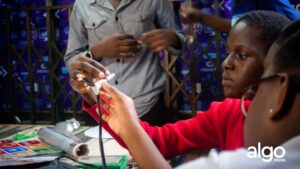
  • In-Person Sessions: Hands-on construction of plastic musical instruments, programming micro:bi, and group challenges to program and play Afrobeat rhythms

3.0 Results

3.1 Learning Outcomes

  • Learners reinforced foundational knowledge of simple circuit construction and electronics.

  • Learners developed practical skills in repurposing plastic waste to build musical instruments capable of producing notes, chords, and Afrobeat rhythms.

  • Learners enhanced creativity and teamwork through collaborative musical composition and performance activities.

  • Learners increased awareness of the environmental impact of plastic pollution on climate change and water ecosystems.

3.2 Project Activities

  • Introduction to plastic waste and its impact on climate and the environment

  • Construction and decoration of plastic bottle instruments

  • Programming micro:bit  to produce sound effects

  • Group challenges to play rhythms using the plastic instruments

3.3 Materials Used

  • Plastic bottles and recycled plastics
  • BBC micro:bit
  • Basic electronic components (wires, crocodile clips, aluminium foil)
  • Art supplies for decoration
  • Computers with MakeCode and Python editors

3.4 Project Code Repository

Learners programmed micro:bit to create sound effects complementing their plastic instruments, using block-based coding and Python.

Video Demo

4.0 Discussion

Integrating STEAM to Address Environmental Challenges:
Learners applied scientific concepts, engineering principles, artistic expression, and technology to transform plastic waste into functional musical instruments. This interdisciplinary approach deepened environmental awareness while fostering practical skills aligned with sustainability goals.

Cultivating Creativity and Cultural Engagement:
Designing and decorating instruments and performing Afrobeat rhythms, learners connected creatively with their cultural heritage. This authentic, culturally responsive learning experience encouraged a strong sense of ownership and motivated meaningful engagement with environmental issues.

Developing Technical and Collaborative Competencies:
The project enhanced learners’ skills in simple circuit construction, basic programming with microcontrollers, and effective teamwork. These competencies prepare learners to collaboratively devise innovative solutions to real-world environmental problems within their communities.

5.0 Feedback and Reflections

Learners expressed excitement about transforming waste into music, which made learning both fun and impactful.

Facilitators noted increased motivation when environmental issues were tied to creative expression.

6.0 Challenges Faced

  • Unstable internet connectivity adversely affected the flow of the sessions.
  • Limited access to computers required some learners to wait for their peers before coding on the micro:bit, resulting in session delays and a disrupted flow.
  • No access to 3D printer or laser cutter for creating physical mounts or structural supports for the project.

7.0 Conclusion

The Plastic Musical Instrument project effectively merged STEAM disciplines to tackle plastic pollution creatively. Learners developed foundational skills in science, engineering, arts, and technology while cultivating environmental stewardship and cultural expression. 

This approach aligns with research emphasizing authentic, problem-based learning as a catalyst for transferable skills and civic engagement.

8.0 Contributors

  • Sam Quansah – Principal Investigator & Curriculum Designer & Curriculum Designer
  • Vera Yeboah Aninakwah – Lead Facilitator & Code Developer
  • Nana Adwoa Nsiah – Instructional Facilitator
  • Victor Ofori Asante – Instructional Facilitator

9.0 References

  • Barrows, H. S. (1986). A taxonomy of problem-based learning methods. Medical Education, 20(6), 481–486.

  • Bequette, J. W., & Bequette, M. B. (2012). A Place for Art and Design Education in the STEM Conversation. Art Education, 65(2), 40–47.

  • Monroe, M. C., Plate, R. R., Oxarart, A., Bowers, A., & Chaves, W. A. (2019). Identifying effective climate change education strategies: a systematic review of the research. Environmental Education Research, 25(6), 791–812.

  • Papert, S. (1980). Mindstorms: learners, Computers, and Powerful Ideas.

  • United Nations. (2015). Sustainable Development Goals – Goal 6: Clean Water and Sanitation; Goal 13: Climate Action.

Related Project Reports

Show How You Feel

Using principles of event handling and algorithmic thinking, learners developed a sense of agency in creating digital tools rather than simply consuming them.
Flash How You Feel

Creating flashing emoji displays that represented their emotions, reinforcing prior learning in event handling and algorithmic thinking while adding iterative control flow to their programming toolkit.
Monitoring Environmental Temperature

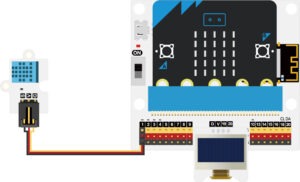
This experience supported digital literacy through coding and sensor use, scientific inquiry through real-world data collection and comparison, and environmental awareness by connecting learners’ observations to broader patterns.
Traffic Light System

The activity was anchored in an authentic local context, addressing traffic congestion challenges at Kotokuraba Market in Cape Coast.
Energy-Efficient Streetlight

The activity was anchored in an authentic local context, addressing traffic congestion challenges at Kotokuraba Market in Cape Coast.