
Project Report
Energy-Efficient Streetlight
Report by:
Aninakwah Vera Yeboah
December 2, 2025
Citation
Quansah, S., Asante, V., Aninakwah, V. Y., Debrah, A. B., & Nsiah, N. A. A. (2023)
Tags
Abstract
This project introduced 68 learners aged 7–15 to the programming concept of if-else conditional statements, guiding them to apply this new knowledge in designing and prototyping an energy-efficient streetlight system.
Learners used the BBC micro:bit’s GPIO pins to build circuits and programmed automated streetlight operation to address common issues related to manual control, such as energy wastage from lights being left on, as well as labor and time costs.
This hands-on activity connected programming concepts to real-world problem solving, enhancing learners’ digital literacy, systems thinking, and environmental awareness. The project aligns with Sustainable Development Goals (SDG) 7: Affordable and Clean Energy, SDG 11: Sustainable Cities and Communities, and SDG 12: Responsible Consumption and Production.
1.0 Introduction
Energy wastage from streetlights that operate continuously or depend on manual switching contributes significantly to unnecessary electricity consumption and increased operational costs in Ghana. According to a 2018 report by the Energy Commission of Ghana, street lighting accounts for approximately 8% of the country’s total electricity consumption, with many systems lacking automated controls. This inefficiency results in energy losses estimated between 25% and 30%, often caused by lights being left on during daylight hours or periods of low traffic. Implementing automation in street lighting presents a clear opportunity to reduce energy waste and lower operational expenses, supporting national energy conservation goals.
Learners at Algo Peers recognized this problem and explored how microcontroller-based automation could optimize streetlight operation to conserve energy more effectively. They began by sharing their personal observations of streetlight usage in their communities, identifying challenges related to energy wastage and manual control, and collaboratively designing solutions to address these issues.
The learners were introduced to the BBC micro:bit’s General Purpose Input/Output (GPIO) pins, which allow interaction with external components, and learned to apply if-else conditional statements in programming to automate LED streetlight behavior.
The project engaged learners in hands-on building and programming of streetlight prototypes, transforming abstract programming concepts into practical, functional devices. Additionally, the project incorporated Problem-Based Learning principles (Barrows, 1986), situating learners in an authentic, community-centered challenge that fostered critical thinking, collaboration, and meaningful problem solving.
2.0 Method
2.1 Learner Demographics
- Total learners: 68
- Gender representation: 34 males (50%), 34 females (50%)
- Age range: 7–15 years
- Learners aged 7–9: Used block-based coding
- Learners aged 10–15: Used Python programming
2.2 Mode of Delivery
Virtual Live Sessions:
Introduction to GPIO pins, explanation of if-else conditional statements, and discussion on energy wastage and automation benefits.
In-Person Sessions:
Hands-on circuit building with LEDs and micro:bits, programming automation logic, and relating designs to energy conservation challenges.
3.0 Results
3.1 Learning Outcomes
- Learners demonstrated a clear understanding of the purpose and functionality of GPIO pins.
- Learners acquired hands-on experience constructing basic LED circuits.
- Learners developed proficiency in programming streetlight automation using if-else conditional statements.
- Learners enhanced their problem-solving abilities by applying technological concepts to address environmental challenges.
3.2 Project Activities
- Introduction to micro:bit hardware and pin functionality.
- Explanation and practice of if-else programming logic.
- Circuit design and wiring of LEDs simulating streetlights.
- Programming automatic on/off light control based on simulated input.
- Group discussions on the role of automation in reducing energy waste.
3.3 Materials Used
- BBC micro:bit
- Breadboards and jumper wires
- LEDs and resistors
- Tinkercad for Digital Prototype
- BBC micro:bit built-in Light sensors
- Computers with MakeCode and Python
3.4 Project Code Repository
Learners used the BBC micro:bit and Microsoft MakeCode/Python to program the energy-efficient streetlight system, applying if-else conditional statements to automate light operation based on programmed logic.
Video Demo
4.0 Discussion
Connecting Classroom Knowledge to Community Solutions
Learners applied programming, electronics, and systems thinking to create an automated streetlight system addressing local energy wastage. This experiential learning aligns with Constructionism (Papert, 1980), which emphasizes knowledge construction through creating meaningful artifacts that connect learning to real-world contexts.
Empowering Creativity and Ownership Through Real-World Challenges
The project fostered learner agency by providing authentic, community-centered problems that encourage creativity and critical thinking. This approach reflects Problem-Based Learning (Barrows, 1986), promoting learner autonomy and collaboration in solving relevant challenges.
Strengthening STEAM Skills for Meaningful Impact
Engagement with coding, circuit design, and hardware integration supported the development of computational thinking and problem-solving skills. This reflects Situated Learning Theory (Lave & Wenger, 1991), where learning occurs through participation in authentic activities situated in meaningful social contexts.
5.0 Feedback and Reflections
Learners showed strong interest in applying automation to address energy inefficiency in streetlighting. Facilitators observed that linking the project to tangible environmental challenges fostered deeper engagement and a sense of purpose among learners.
Several learners expressed pride in seeing their code control physical devices, which boosted their confidence in programming and electronics. The hands-on nature of the project helped demystify abstract programming concepts, making learning more accessible and enjoyable.
Facilitators also noted that collaborative problem-solving encouraged peer learning and communication skills, as learners shared ideas and troubleshooting strategies.
6.0 Challenges Faced
- Unstable internet connectivity adversely affected the flow of the sessions.
- Limited access to computers required some learners to wait for their peers before coding on the micro:bit, resulting in session delays and a disrupted flow.
- No access to 3D printer or laser cutter for creating physical mounts or structural supports for the instruments
7.0 Conclusion
The Energy-Efficient Streetlight project successfully combined programming, electronics, and real-world environmental problem-solving to create a meaningful learning experience. Through this project, learners developed essential foundational STEAM skills while gaining a deeper appreciation of how technology can drive sustainable solutions.
These outcomes align with educational research demonstrating that authentic, problem-based learning cultivates transferable skills and nurtures a sense of civic responsibility.
8.0 Contributors
- Sam Quansah – Principal Investigator & Curriculum Designer & Curriculum Designer
- Vera Yeboah Aninakwah – Lead Facilitator & Code Developer
- Nana Adwoa Nsiah – Instructional Facilitator
- Victor Ofori Asante – Instructional Facilitator
9.0 References
Papert, S. (1980). Mindstorms: learners, Computers, and Powerful Ideas.
Barrows, H. S. (1986). A taxonomy of problem-based learning methods. Medical Education, 20(6), 481–486.
Wing, J. M. (2006). Computational thinking. Communications of the ACM, 49(3), 33–35.
Jonassen, D. H. (2011). Learning to Solve Problems: A Handbook for Designing Problem-Solving Learning Environments. Routledge.
United Nations (2015). Sustainable Development Goals – Goal 7: Affordable and Clean Energy; Goal 11: Sustainable Cities and Communities; Goal 12: Responsible Consumption and Production.
Energy Commission Ghana. (2018). Energy Efficiency Opportunities in Ghana.
Related Project Reports
Show How You Feel
Using principles of event handling and algorithmic thinking, learners developed a sense of agency in creating digital tools rather than simply consuming them.
Flash How You Feel
Creating flashing emoji displays that represented their emotions, reinforcing prior learning in event handling and algorithmic thinking while adding iterative control flow to their programming toolkit.
Monitoring Environmental Temperature
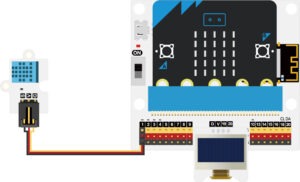
This experience supported digital literacy through coding and sensor use, scientific inquiry through real-world data collection and comparison, and environmental awareness by connecting learners’ observations to broader patterns.
Traffic Light System
The activity was anchored in an authentic local context, addressing traffic congestion challenges at Kotokuraba Market in Cape Coast.
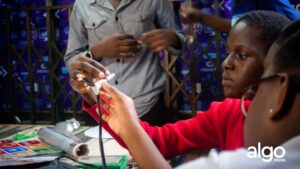
Debugging of the Energy-Efficient Streetlight
Learners applied active recall to retrieve prior knowledge from a previous streetlight programming activity and transfer it to the debugging process.
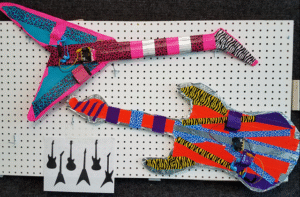
Plastic Musical Instrument
Exploring opportunities for technology integration by using BBC micro:bit sensors to enhance sound effects